
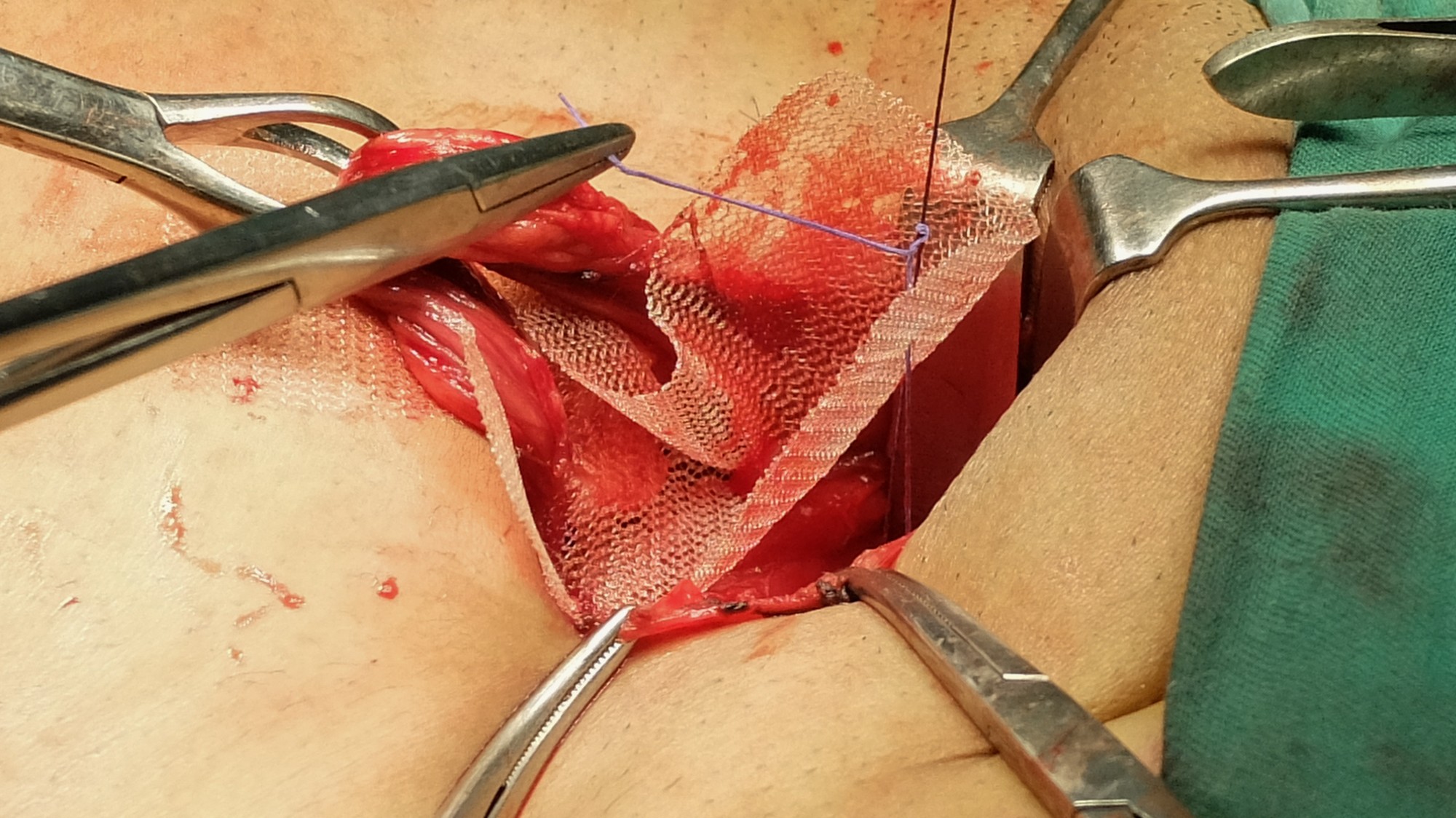
A hernia occurs when an internal organ or tissue pushes through a weak spot in the surrounding muscle or connective tissue. It's an incredibly common condition that affects millions of people every year, most frequently appearing in the groin (inguinal hernia) or the abdomen (ventral or umbilical hernia).
While open surgery was once the standard fix, modern robotic systems have revolutionized how general surgeons repair these structural defects.
The Evolution: Open vs. Laparoscopic vs. Robotic Repair
To understand why robotic hernia repair has become so popular, it helps to see how the surgical approach has evolved over time.
| Surgical Approach | Incision Size | View of Surgical Area | Precision & Stitching |
|---|---|---|---|
| Traditional Open Surgery | One large incision (3–6 inches) | Direct view, but disrupts surrounding tissue | Standard manual suturing |
| Standard Laparoscopy | 3–4 tiny keyhole incisions | 2D flat-screen monitor (limited depth) | Rigid, straight instruments |
| Robotic-Assisted Surgery | 3–4 tiny keyhole incisions | Magnified, high-definition 3D view | Fully articulating "wristed" instruments |
Why the "Wrist" Makes a Difference in Hernia Repairs
Fixing a hernia isn't just about pushing tissue back into place; it requires securing a surgical mesh over the weakness to prevent it from happening again. This requires meticulous, precise stitching.
Standard laparoscopic tools are completely rigid—think of trying to tie your shoes using two long chopsticks. The robotic system's "wristed" instruments, however, can bend and rotate in ways that mimic the human hand, allowing the surgeon to suture with incredible ease and precision even in tight spaces.
Benefits of Robotic Hernia Repair for Patients
- Lower recurrence rates due to more precise mesh placement
- Less postoperative pain and minimal scarring
- Faster return to work and normal activities
- Shorter hospital stay — often same-day discharge
Robotic hernia repair represents a significant leap forward in patient care, combining the benefits of minimally invasive surgery with enhanced precision for better long-term outcomes.